Beyond Italy: Four Danish Designers Who Changed the Way We Sit (and Think)
What does a quiet chair say about power?
In 1960, the world watched as John F. Kennedy and Richard Nixon faced off in the first-ever televised U.S. presidential debate.
Kennedy sat in a Danish chair.
It wasn’t a random pick. He wanted something that projected modernity, calm confidence, and quiet authority, without the formality or heaviness of traditional political staging.
I didn’t learn that in design school. Like many who studied in Italy, I was (rightly) immersed in the culture of our masters: Ponti, Castiglioni, Sottsass, Magistretti. But while Italian design is bold, expressive, and experimental, Denmark tells a quieter story — one I had overlooked for too long.
This post is a small attempt to rebalance the map. A journey into the world of Danish modernism, through four iconic figures who taught us that less isn’t less if it means more.
1. Arne Jacobsen — The Total Designer
Arne Jacobsen was more than a designer — he was a system thinker.
A trained architect, he believed in designing everything: the building, the furniture, the cutlery, even the wallpaper. His most famous project, the SAS Royal Hotel in Copenhagen (1958), became the first “design hotel” before the term even existed.
Iconic works:
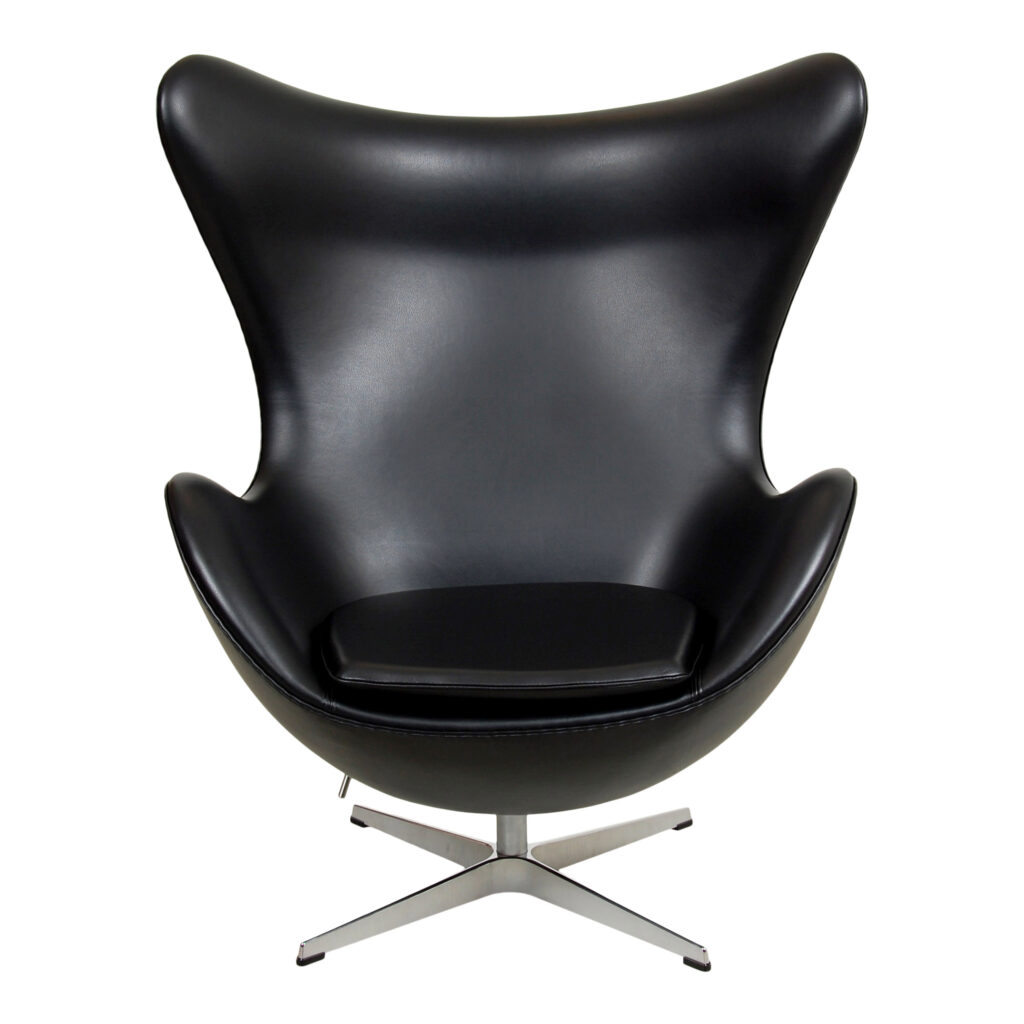
Egg Chair
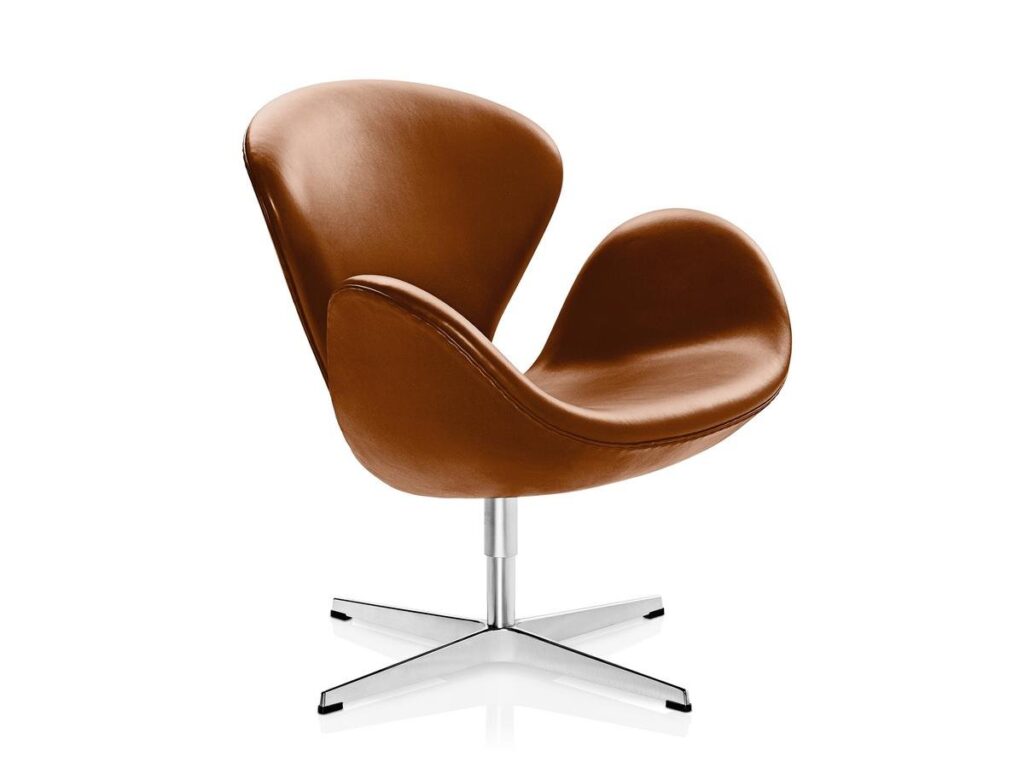
Swan Chair
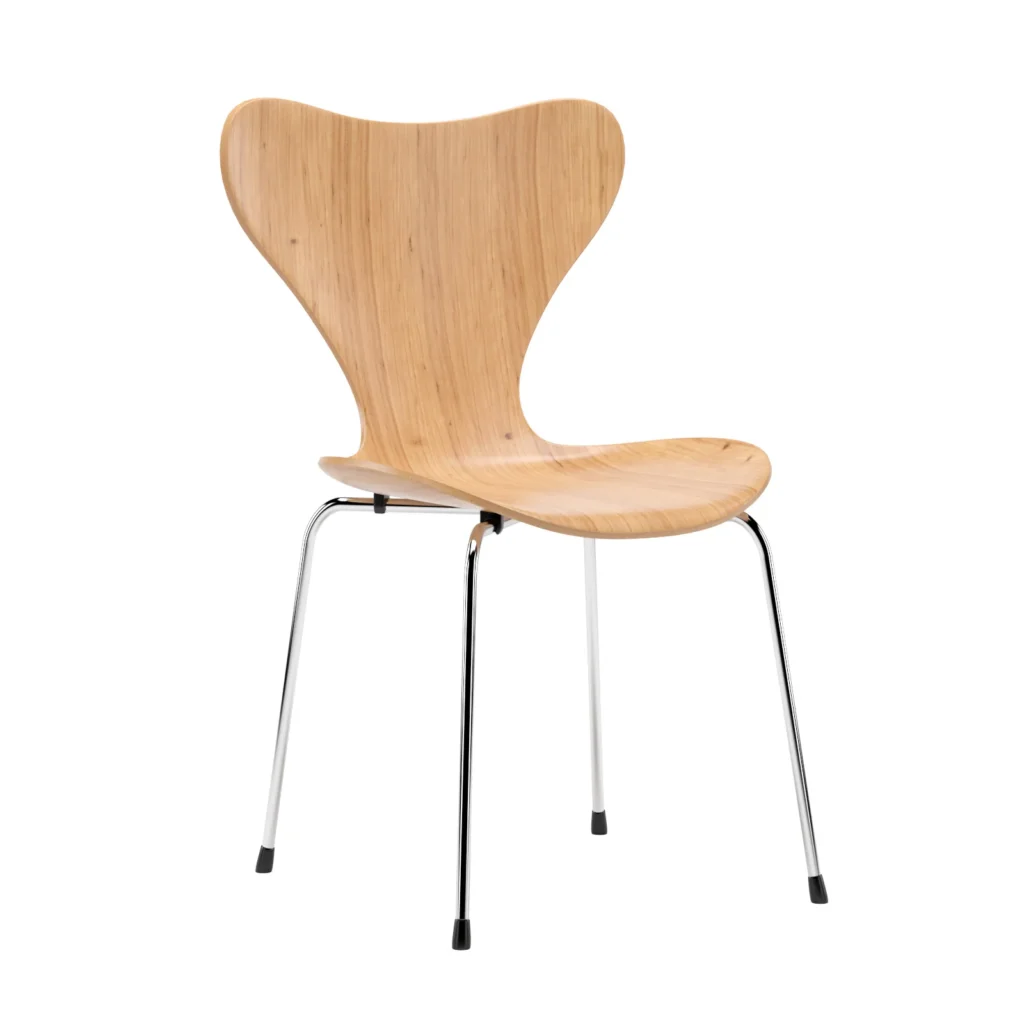
Series 7 Chair
Jacobsen’s approach blended modernism with Nordic warmth. His forms were elegant, fluid, but never decorative. Even his most sculptural pieces were designed for real people — not for showrooms.
2. Hans J. Wegner — The Master of the Chair
Wegner once said: “A chair is to have no backside. It should be beautiful from all angles.” He designed over 500 of them — each a study in proportion, joinery, and material honesty.
It was his Round Chair — known simply as The Chair — that Kennedy chose for the 1960 debate. Why? It conveyed sincerity, quiet dignity. No thrones, no overstatement — just good design.
Iconic works:
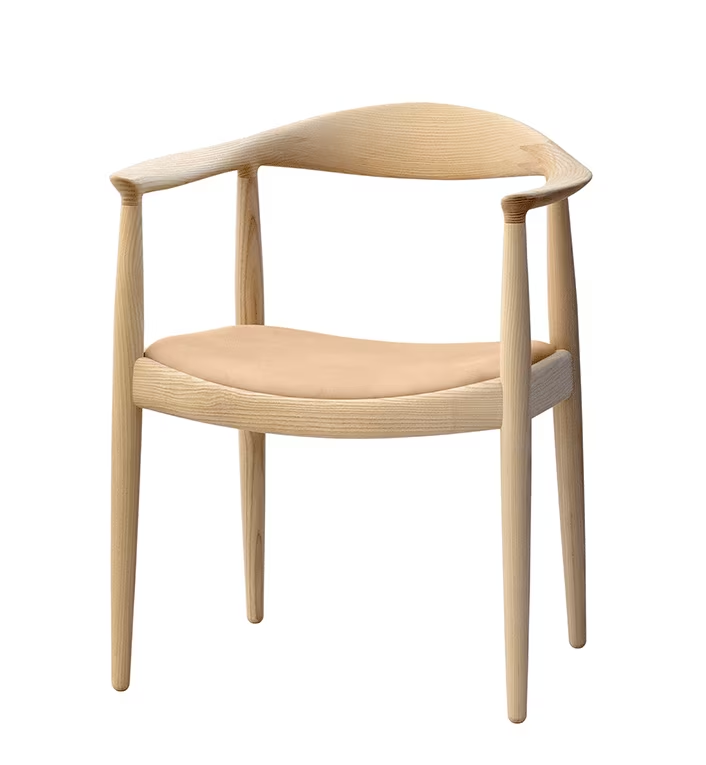
The Chair
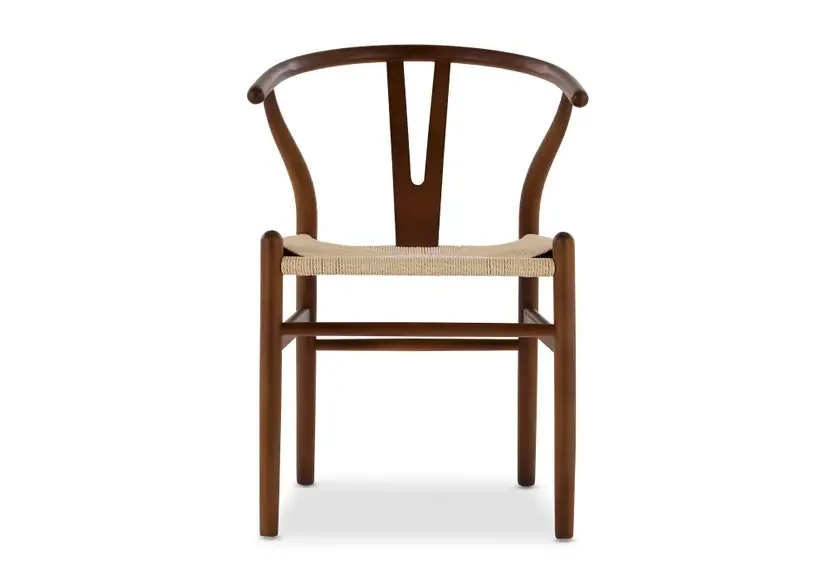
Wishbone Chair
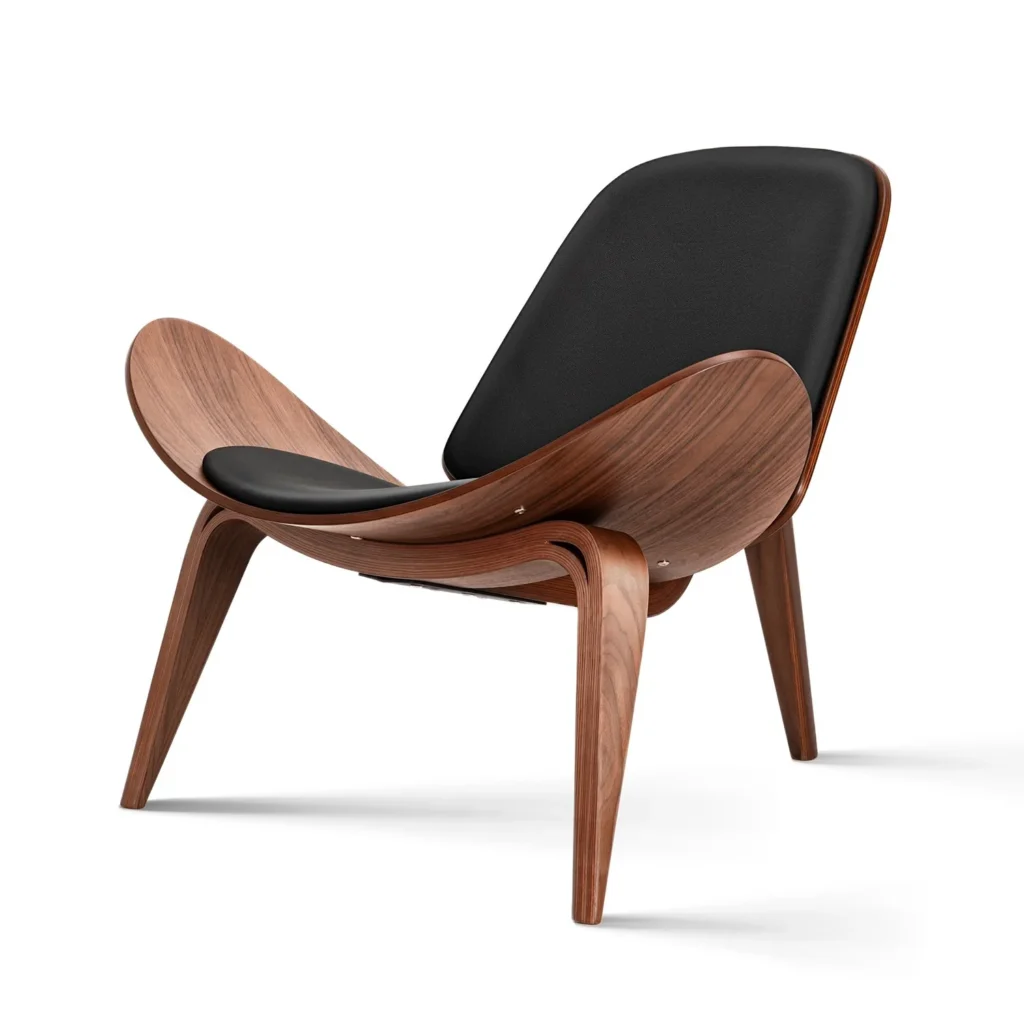
Shell Chair
Wegner’s pieces are the kind you want to live with forever — not because they are trendy, but because they disappear into your life in the best way possible.
3. Børge Mogensen — The People’s Designer
While others pushed form, Mogensen was on a mission: to create furniture for everyone.
Deeply functional, his pieces often reference folk traditions — simple, robust, democratic. He believed in utility without compromise.
Iconic works:
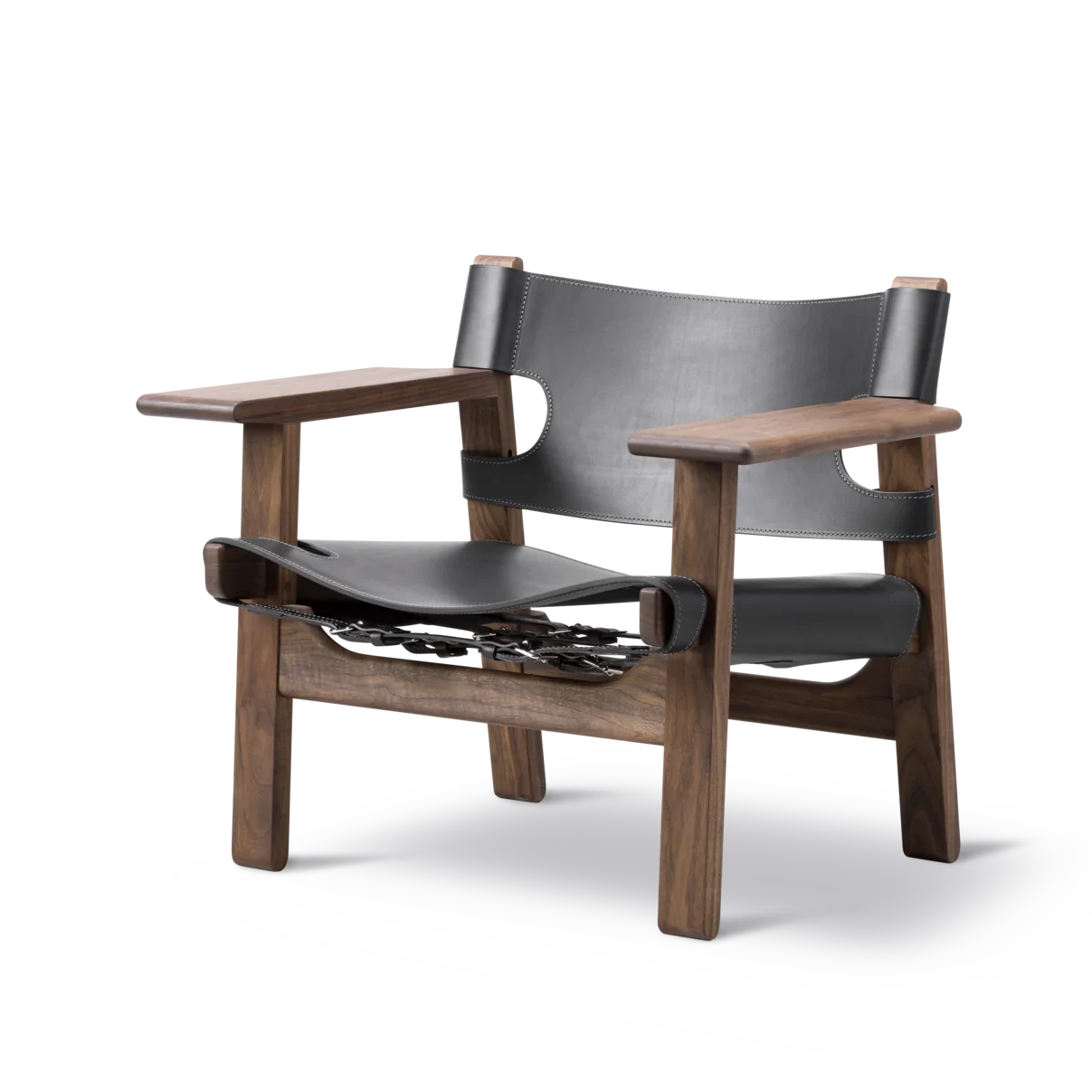
Spanish Chair
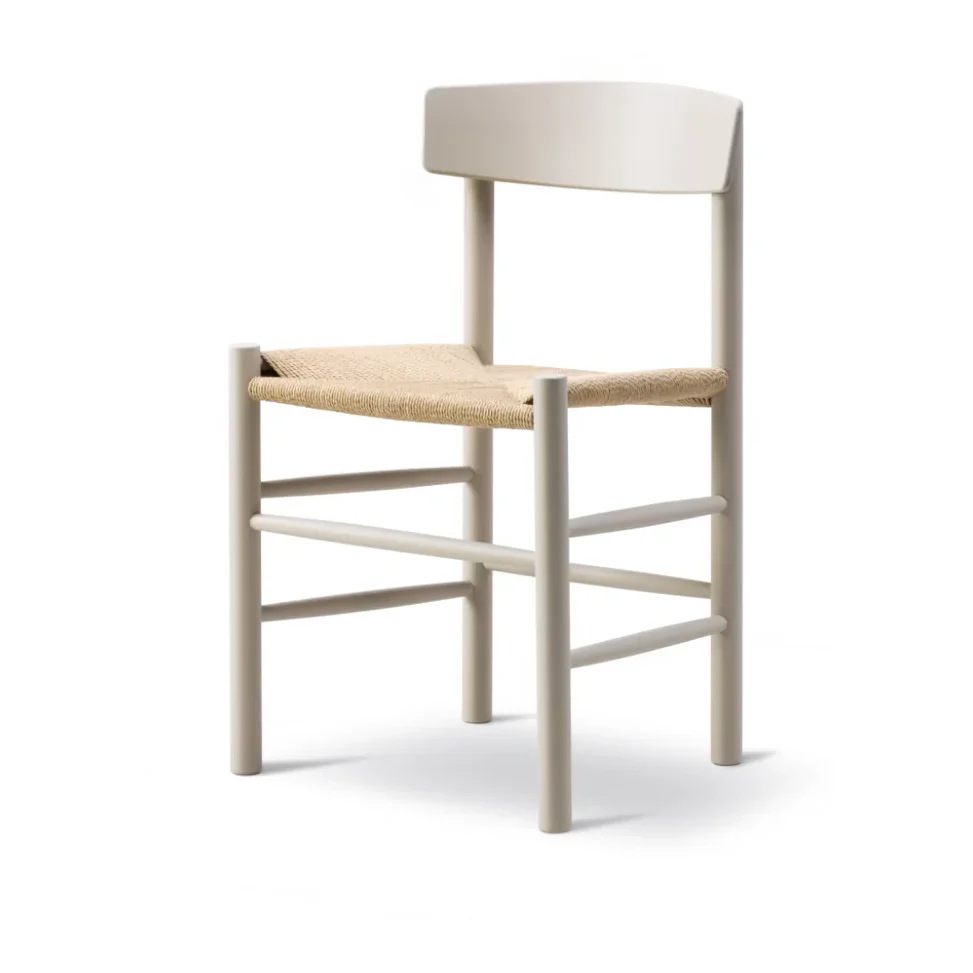
J39 Chair
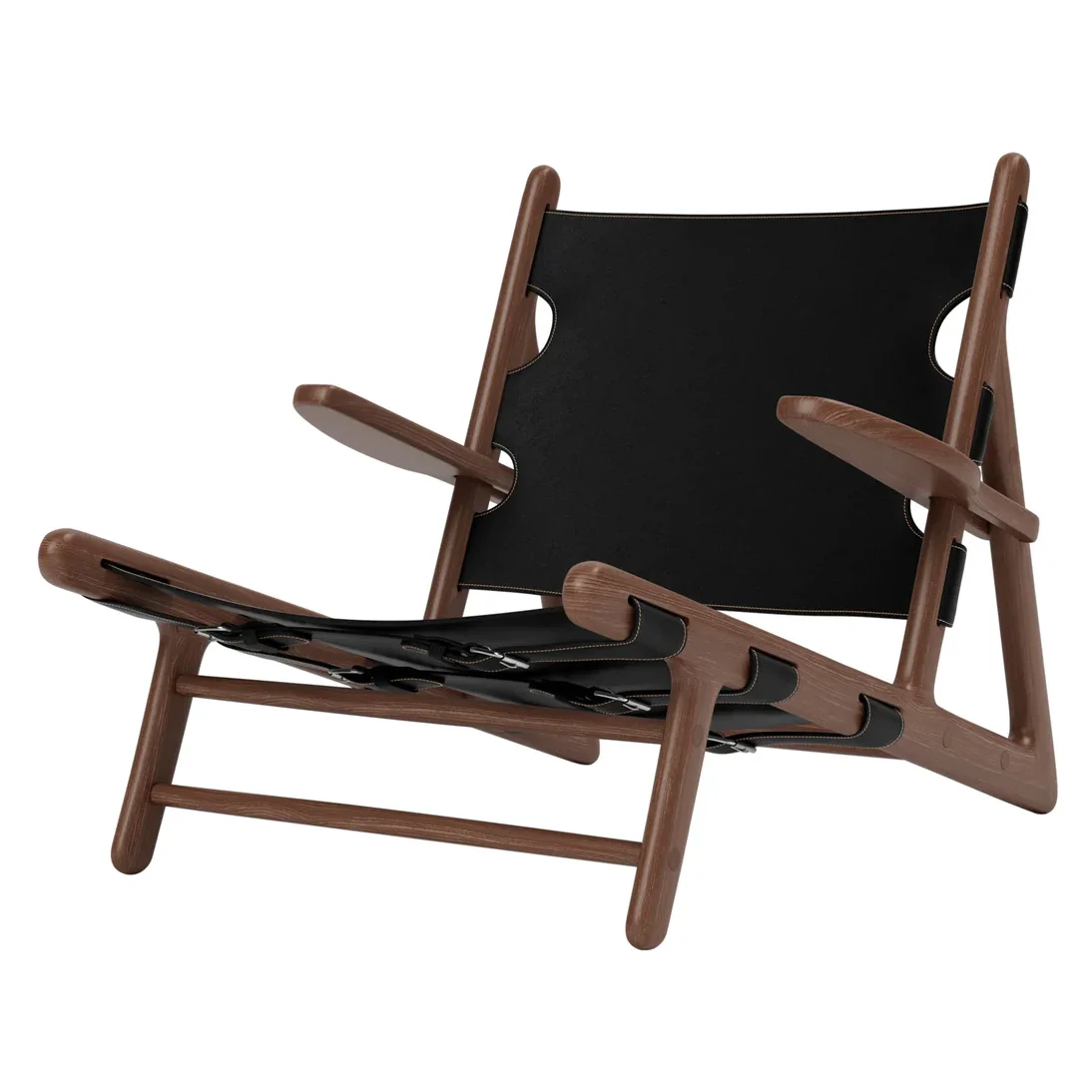
Hunting Chair
Mogensen’s work feels grounded, almost humble. But behind that simplicity lies a strong, rational structure — and a belief that good design should improve daily life, not just sit in museums.
4. Finn Juhl — The Sculptor of Seating
Finn Juhl was different.
He didn’t train as a cabinetmaker, but he worked closely with one — Niels Vodder — and together they created chairs that felt more like living forms than functional objects.
His work bridges Danish sensibility and organic modernism — think Eames meets Nordic humanism.
Iconic works:
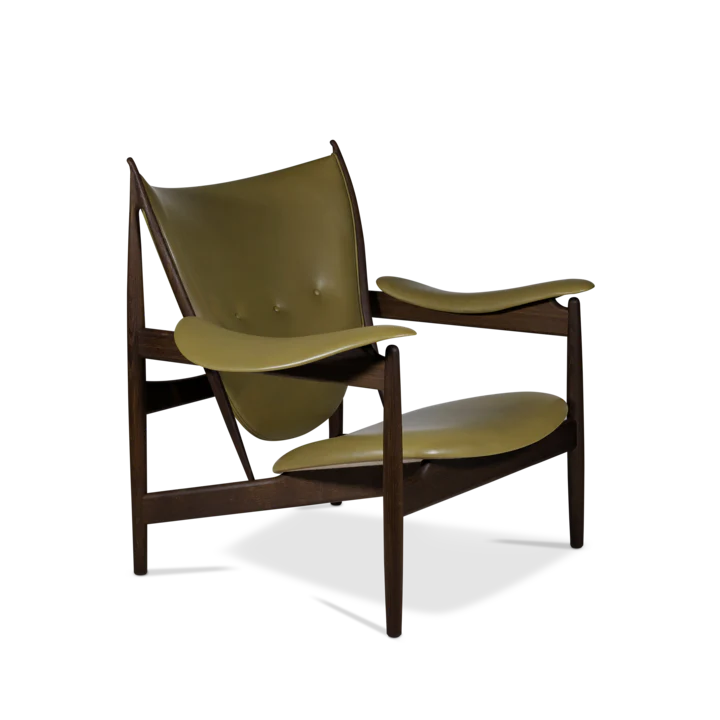
Chieftain Chair

Pelican Chair
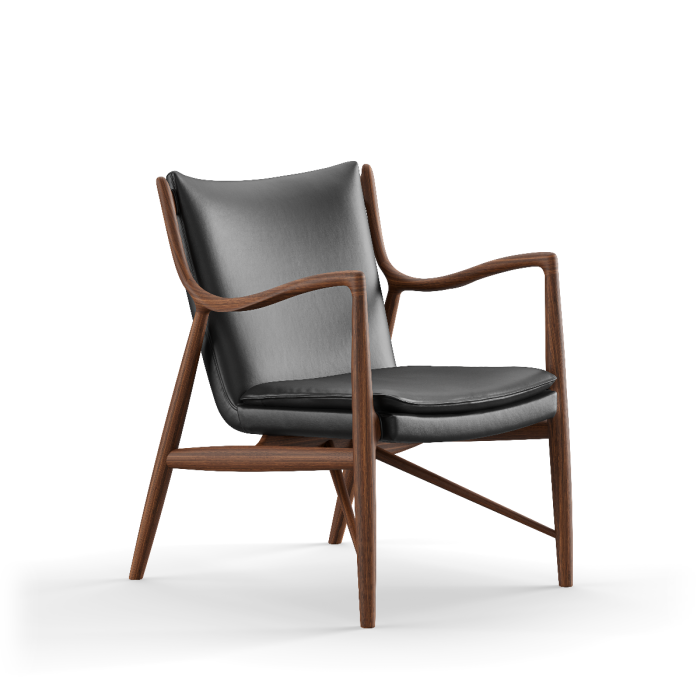
45 Chair
Juhl introduced Danish design to the U.S. in the 1940s and ‘50s. His home, now a museum just outside Copenhagen, remains one of the most moving examples of how architecture and furniture can speak the same language.
Why it matters?
Design isn’t just about form or style — it’s about values.
Danish modernism teaches us to care about what things are made of, who makes them, and how they’ll be used — 20, 30, 50 years from now.
In a time when design risks becoming fast and disposable, revisiting these voices is not just inspiring — it’s necessary.
So, back to the question…
What chair did Kennedy sit on during that historic debate?
Well — if you’ve read the article carefully, you already know.
But just to make it official: it was The Chair by Hans J. Wegner — a subtle masterpiece of Danish craftsmanship.
And maybe that tells us something: sometimes, the most powerful message is the one that doesn’t shout.
Comments (0)